
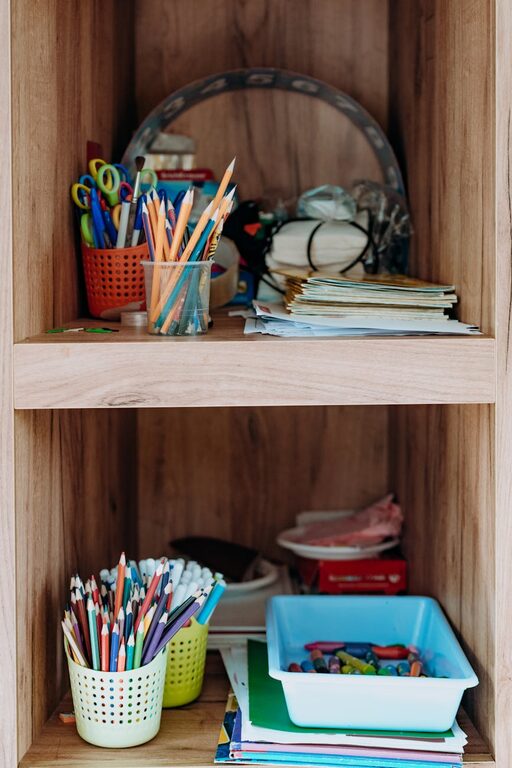
Keeping kids’ artwork organized can be a joyful yet challenging task. Children often bring home or create numerous art projects—from colorful drawings to 3D crafts—which can quickly pile up and create clutter. However, with a bit of planning and creativity, you can preserve these precious memories without overwhelming your living space. In this post, we’ll explore practical tips and ideas to help you organize, store, and display your children’s art in ways that celebrate their creativity and keep your home tidy.
Why Organizing Kids’ Art Matters
Organizing your child’s art offers many benefits. It helps:
– Preserve memories and milestones
– Encourage creativity and pride
– Reduce clutter and stress at home
– Make it easy to find specific pieces later
– Create decorative displays that brighten your living space
Knowing this, let’s dive into practical strategies you can use.
Setting Up an Art Organization System
Creating a system is the first step toward managing kids’ artwork effectively.
1. Choose a Dedicated Art Storage Space
Designate a specific area in your home for storing art supplies and finished pieces. This could be:
– A drawer or shelf in a common area
– A closet with bins and folders
– A portable art caddy or box
Having one place for art reduces the chance of pieces getting lost or damaged.
2. Sort Artwork Regularly
Make it a habit to sort through new artwork weekly or monthly. Decide which pieces to keep, display, or recycle. This prevents overwhelming piles from forming.
3. Categorize and Label
Use folders, binders, or boxes labeled by year, child’s name, or art type (paintings, drawings, crafts). Clear categories help keep things orderly and make it easier to revisit the art later.
Creative Ways to Display Kids’ Art
Showcasing your child’s art encourages pride and keeps your home lively.
1. Gallery Wall
Create a gallery wall in a hallway or playroom. Use frames, clipboards, or wire and clips to hang rotating artwork. This is a stylish way to keep art visible and fresh.
2. Digital Displays
Photograph or scan artwork and display digital slideshows on devices like digital photo frames or TVs. This saves space while celebrating all pieces.
3. Art Books
Compile artwork into photo books. You can photograph or scan art and use online services to print beautiful keepsake books by year or theme.
4. Use Bulletin Boards or Magnetic Strips
Install bulletin boards or magnetic strips where kids can easily pin or magnet their current creations. This encourages ongoing display and interaction.
Storage Solutions for Long-Term Keepsakes
Some pieces deserve special care for long-term memories.
1. Portfolio Cases
Store flat artwork and drawings in artist portfolios or large envelopes. These protect pieces and fit easily on shelves.
2. Clear Storage Bins
Use clear plastic bins for larger or 3D crafts. Label each bin to know what’s inside. Stack and store these in closets or under beds.
3. Use an App
Apps designed for organizing kids’ artwork allow you to take photos, sort, and even share with family members digitally.
Tips to Involve Your Kids in the Process
Engaging children in organizing their art helps teach responsibility and care for their creations.
– Let them choose which artwork to keep or display
– Encourage them to label or date their pieces
– Create a “special art box” together for favorites
– Make organizing a fun activity, such as decorating storage boxes
Repurposing Artwork Creatively
Sometimes, artwork can be transformed into useful or decorative items.
– Turn paintings into greeting cards or gift wrap
– Use drawings for laminated placemats
– Create collages or scrapbook pages from smaller pieces
– Frame a special piece as a gift for family members
When to Let Go
It can be hard, but not every piece can be kept forever. Consider these gentle ways to part with artwork:
– Save photos instead of originals for bulky crafts
– Keep only meaningful or exceptionally creative pieces
– Recycle artwork together and talk about making new art
– Set limits on storage space to guide decisions
Final Thoughts
Organizing kids’ art doesn’t have to be overwhelming. By setting up a system, displaying art creatively, and involving your children, you can celebrate their creativity while keeping your home neat and inspiring. Remember, the goal is to enjoy and honor their artistic journey, making memories that last a lifetime.
Organize, display, and preserve those treasured creations with these tips—your home and your children will thank you!